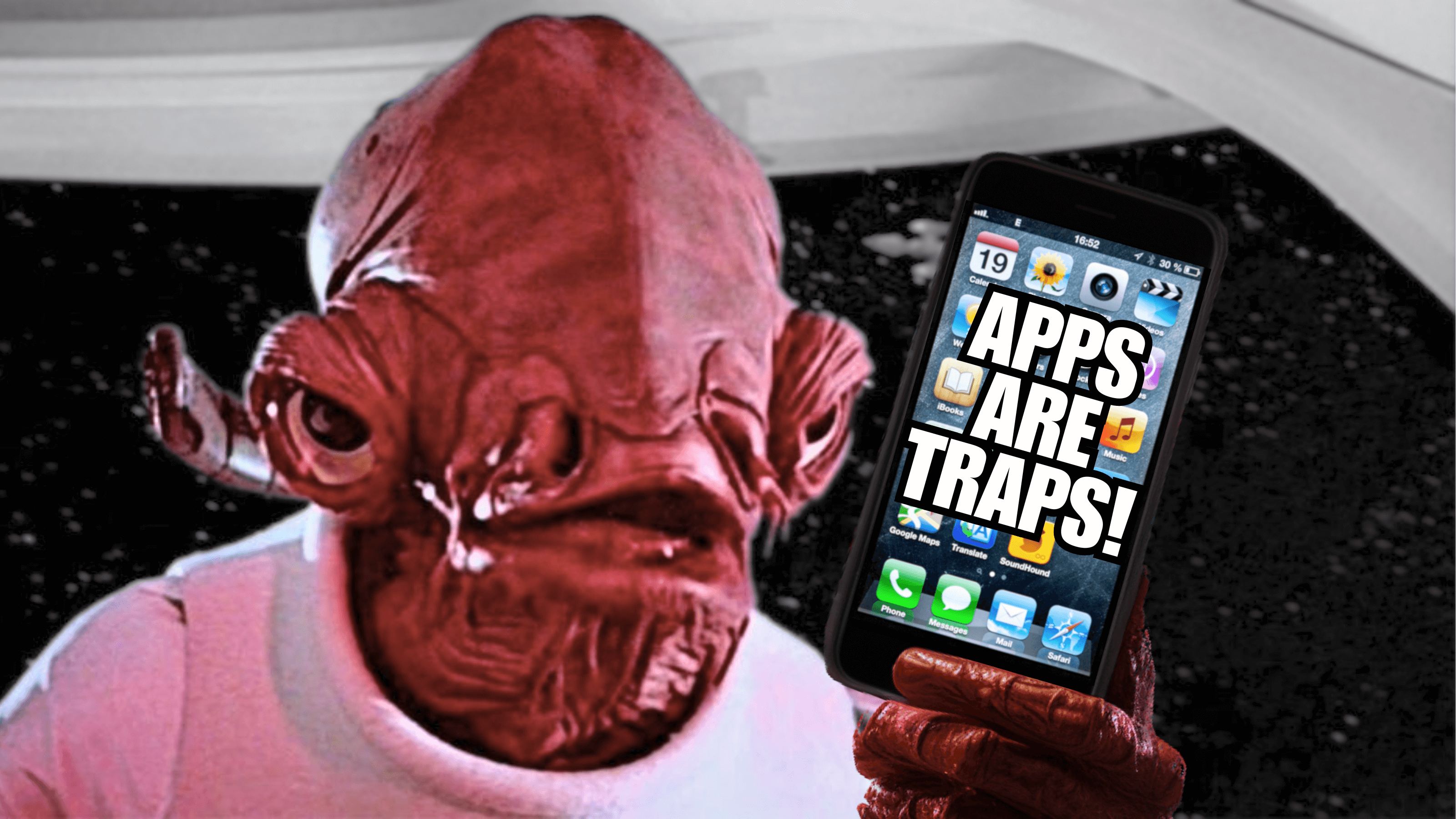
Digitally isolated
It can't be connection if it leaves you alone.
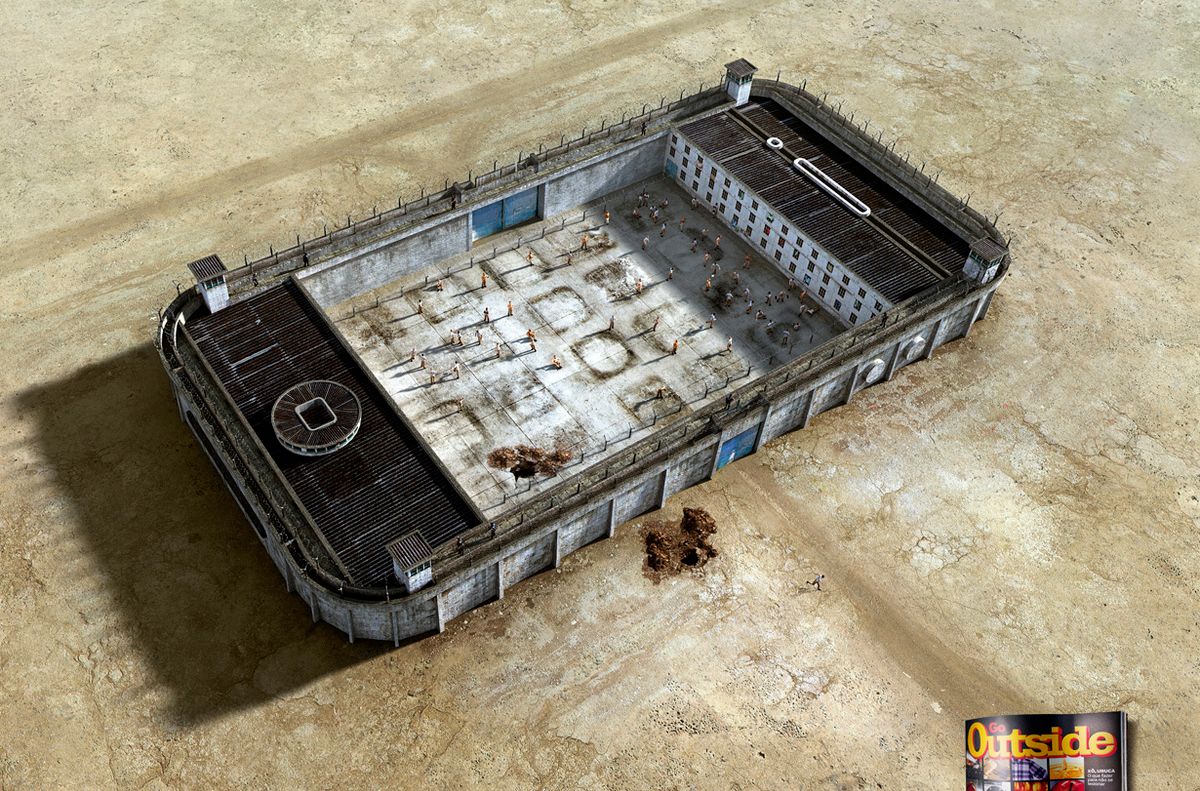
I keep thinking about being digitally isolated. What is “digital isolation?” In a nutshell: today we are more connected to anyone/everyone than at any point in history yet (paradoxically) we feel ever more alone. Stranger still, it seems we have chosen this as our preferred mode of existence. There’s even a joke about it: there are nine ways to reach me on my phone without talking to me; pick one of those.
Connected.
It’s incredible that we can find people like us all over the world with whom we can connect in a meaningful way about a certain idea, topic, or shared interest. The Internet has made that kind of deep, direct communication a reality and it’s helping people find others who are like them. With such fantastic connectivity, you’d think people would feel less alone.
On any given random, unusual, defining personality trait or unique(-ish) personal interest, this may be true. However, some data indicates that when it comes to topics of great importance (e.g. how we feel about ourselves, about others, about family, about sex, etc. versus what we think about politics, morals, religion, or our favorite TV show/sports team), it seems we’ve got fewer people to talk to than ever.
Take, for instance, a study published by the American Sociological Review that indicates that from 1985 to 2004, 43.6% of the population reports that they only discuss important matters with either no one or with only one other person. From the study, “The Modal number of discussion partners has gone from three to zero.” And that was as of 2004!
That’s not good. You see, while the Internet functions fantastically at satisfying our highest level needs — think: our convictions about politics, morals, religion, or just our favorite music, sports team, or TV show — it’s not so great when our human needs become more basic (See: Maslow’s Hierarchy of Needs). Here I’m talking about our sense of place in a community, our effectiveness at connecting to friends and family, and our more basic sense of satisfaction with day-to-day life.
Where is the breakdown? From what I can tell, it stems from our ability to be too surgical in our interactions with other human beings. Imagine needing to tell someone you care about (a friend, a boss, a spouse) something that may upset them. You can tell them over the phone, in person, or over email. Which method gives you the most control? I think for most it’d be the email: we can be very precise in crafting the message, we can shield our emotions, and we can save ourselves from seeing the reaction (one we anticipate will be negative) of the recipient.
Or think about how we interact on social networks like Facebook. There, we are able to blast out what we’re doing through text, photos, or even video. While the common complaint about Facebook posts is that the stuff shared is overly mundane (e.g. photos of what we’re eating), the truth of these communications is that they are all overly filtered.
One of the most popular services on Facebook of recent note is Instagram. Instagram empowers us to apply filters to our photos to make them look better, which given how most camera phone photos look, is a much needed service. So Instagram’ed photos are hugely popular–so much so that they are cliche.
Instagram is just a more specific version of what Facebook is generally. On Facebook (or any digital platform), we get to be the editors of who we are to the world. The result? What we share about ourselves amounts to being an “Instagram’ed” version of who we are. It’s polished. Selective. Distilled. And perhaps a little cliche.
It’s not that we never “dress to impress” or filter ourselves to others in “meat space.” Clearly we do. It’s just that doing so is so much harder when we’re sharing physical space with someone else. When we spend time physically with other people, we don’t even have to say anything at all. An agenda isn’t required.
Being there.
Today, it’s easy to think of the quiet time spent with another person as time we could be spending reading email, checking favorite websites, playing games on our digital devices, or engaging in some other activity (something to fill the voice). We do think of these micro-instances this way. More and more we never need to waste time without engaging something or someone somewhere.
When we trade this (ostensibly unused) time with others for distraction, what do we lose?
Whenever something bad happens to a friend or loved one, I often struggle to find something meaningful to say to express my condolences and concern. I often just say, “I’m here for you if you need anything.” I want to “be there” for my friends or family. But what does “being there” mean?
Rather than being some vacuous statement, I think “being there” for someone else is a hugely important part of having a meaningful relationship. “Being there” is being available–physically and mentally–to embrace the people I care about but it usually only happens if the other party sees me as being available.
Being there is giving them my time and attention and letting them waste it in silence if they choose. It’s being vulnerable to them–the power to spend my time however they choose (and it goes both ways). If they need to burn some time around me in silence that’s fine. If they need to get something out then being present to that person gives them the chance to scrounge up the courage to have it out.
To date, I don’t know of any way to “be there” for someone else digitally. Being reachable by 10 ways via 5 computers/tablets/mobile devices is not the same as being available.
(Come to think of it, the nearest technology that gets at availability may be instant messaging where you appear “available” to chat … but that’s still not the same as physically being available to others.
Being alone.
So there are two things at play. We increasingly choose filtered communications over unfiltered communications thanks to ever-more ways to digitally relate to other people (or distract ourselves) and there’s less and less time spent being present to those we are physically near.
The result? We feel more alone. Our digital world isolates us.
And when the going gets tough, we don’t know where to turn or who to talk to because there’s no status update on Facebook for needing a shoulder to cry on right now nor are we comfortable unloading our personal fears and anxieties or even our simple joys to our digital friends–the ones we’ve never met in person who happen to share a fancy for Medieval cooking or hilarious Internet memes on reddit.
This is how it is today in a world where we are ever-more connected to others, we lack the sort of connection that matters most: simply being present to the relationships that matter, even when those interactions are nothing more than wasted time in another’s presence.
The time spent actually being present to the people we care about is never wasted: it’s the opportunity to be real. To be there. How do we get back to that? That’s the kind of connectivity that lasts.